

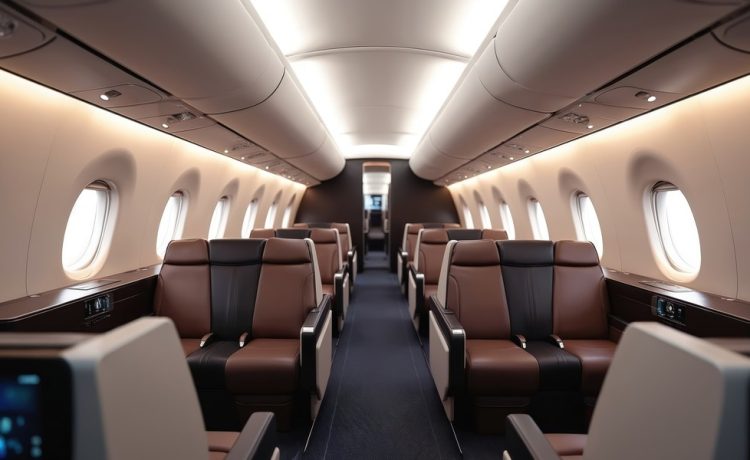

The right seat changes everything. Pilots know this. Passengers feel it. Medical crews depend on it. Aircraft seating directly affects whether missions succeed or fail. When seats work properly, operations run smoother and safer.
Crew Performance Depends on Proper Support
Tired crews make mistakes. Bad seats speed up fatigue on long flights. Back pain from poor posture pulls attention away from critical tasks. These problems get worse as flights continue, hitting hardest when crews need peak performance. Good seat design keeps people alert longer. The right lumbar curve supports the spine without forcing it. Height adjustments let shorter and taller crew members both work comfortably. Even armrest position matters; too high strains shoulders, too low causes slouching.
Shaking and vibration do more damage than most realize. Hours of constant movement create tiny injuries that build up over months. Better seats absorb these forces. Crews step off aircraft ready to work instead of needing recovery time. Medical teams benefit most since they often need steady hands the moment they land.
Where you sit changes what you see. Eyes need the right angle for scanning instruments. Seats that swivel let crews check blind spots without twisting their necks. Fixed seats force uncomfortable positions. Some crews develop chronic neck problems from years of awkward scanning patterns. The seat becomes either a help or a hindrance to awareness.
Passenger Safety Goes Beyond Seatbelts
Crash tests show surprising results. Strong frames alone don’t protect passengers. The way force moves through the seat matters more. New designs spread impact energy across multiple paths. Head support improved dramatically over recent years. Proper headrest height stops necks from snapping back. Side supports hold bodies during sideways impacts. Special foams compress at controlled rates during crashes. Regular passengers never notice these features until they save lives.
Getting out fast saves lives. Modern seats release quicker than old designs. Aisles stay clear when armrests fold up completely. Nothing snags clothing during evacuations. In fires, every second counts. Smoke drops visibility to zero. People move by feel. Smooth surfaces and clear paths mean everyone escapes. Fire resistance buys precious time. Today’s materials stop burning when flame sources disappear. Smoke production dropped by huge percentages. Heat shields protect people from nearby fires. Ten extra seconds might save twenty lives.
Specialized Operations Demand Purpose-Built Solutions
Search and rescue needs wide viewing angles. Medical crews must reach patients while buckled in. Tactical units require instant release for rapid exit. Standard airline seats fail these specialized needs. Companies like LifePort recognized this gap years ago, developing mission seating that handles multiple operational demands while meeting strict certification requirements for various aviation uses.
Tools and equipment need homes too. Built-in storage keeps gear secure but accessible. Power outlets maintain batteries at full charge. Communication gear fits into headrests without dangling wires. The workspace moves with the seat.
Every pound matters in aviation. Remove ten pounds per seat across twelve seats: that’s 120 pounds for extra fuel or supplies. New materials deliver strength at half the weight. Some seats come out completely when not needed. Yesterday’s fixed cabin becomes today’s flexible workspace. Simplicity lasts longer than complexity. Fewer moving parts means fewer breakdowns. Cleaning takes minutes, not hours. Replacement parts stay in stock. Aircraft keep flying while competitors wait for repairs.
Conclusion
Uncomfortable people perform worse. Business passengers lose focus. Medical crews get distracted. Pilots develop fatigue faster. The link between seat quality and mission success shows up in accident reports, customer reviews, and operational statistics. Money spent on quality seating comes back multiplied. Insurance rates drop when injury claims decrease. Word spreads about operators who prioritize comfort. The investment proves itself through hard numbers, not just passenger compliments.