

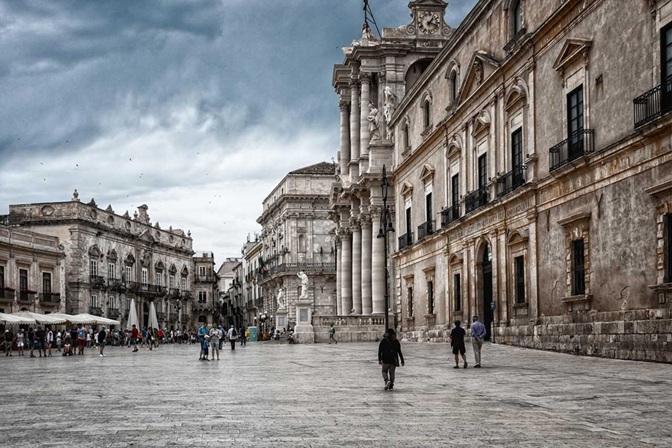

Sicily continues to be a destination where tradition and modern development shape the visitor experience. In early 2026, the island is drawing increased attention for its cultural restoration projects, renewed local industries, and steady improvements in hospitality infrastructure. These developments are not just about new attractions — they support a travel experience grounded in local craft, regional identity, and functional contemporary design.
Across Sicily, towns and cities are reinvesting in their historical centers and artisanal heritage. Restoration work in older districts retains original materials and architectural features, while new interventions focus on comfort and accessibility. This approach has influenced the way accommodation, dining and public spaces are developed, creating a setting where contemporary comfort supports rather than overshadows local character.
Craft and Contemporary Design in Daily Life
In historic towns such as Siracusa and Ortigia, visitors encounter traditional craftsmanship alongside recent design trends. Local artisans continue to produce ceramics, textiles, and food products using methods passed down through generations. At the same time, new design studios and makerspaces have emerged, often collaborating with these artisans to reinterpret traditional forms in ways that suit current tastes and functional needs.
These collaborations are visible in public markets and small workshops where handcrafted items are displayed next to products that highlight contemporary interpretations. The result is a blend of old and new that feels deliberate rather than forced: design evolves organically while remaining anchored in local knowledge.
This balance is not limited to goods for purchase. Public spaces, small museums, and cultural venues often reflect dual principles of preservation and modernization. Former industrial buildings are repurposed for exhibitions. Renovated historical homes house community art projects. Even simple details, like updated street lighting and seating, are chosen with both durability and cultural continuity in mind.
Practical Comfort in Accommodation
Hospitality on Sicily has followed similar lines. Rather than introducing uniform global styles, many properties integrate modern comfort with references to local material culture. Interiors tend to emphasize clean lines, user-friendly layouts, and quality finishes without detracting from historical context.
This practical integration makes stays comfortable and intuitive for travelers while allowing them to be close to cultural assets. In particular, properties near heritage districts or coastal centers combine accessibility with thoughtful design choices that reflect Sicilian patterns of living.
For visitors who want both convenience and context, staying in a luxury hotel in Ortigia can be a way to experience this blend first hand. In recent years, refurbishment projects in and around the historic centre have improved access to key sites, enhanced public services, and strengthened the connection between town life and hospitality offerings. These improvements support travelers in forming a clearer sense of place rather than feeling detached from it.
Market Trends and Cultural Events
Several positive developments in Sicily underline its evolving appeal. Regional tourism reports published this year show continued growth in international visitor numbers alongside strong local engagement with cultural projects. Investments in infrastructure — including expanded ferry connections and improved regional transport links — make it easier to move between coastal towns and inland areas.
In addition, Sicily’s calendar of events has expanded. Local authorities and cultural organizations have scheduled more year-round programming, from traditional festivals to curated exhibitions highlighting regional craft. These events draw attention to specific skills such as coral carving, embroidery, and culinary practices tied to local produce.
For example, recent festivals have paired food tastings with craft demonstrations, giving visitors direct access to both contemporary applications and traditional processes. These formats make it possible to learn about local production economies without needing detailed prior knowledge.
Eating and Everyday Rhythm
Sicilian cuisine continues to reflect regional diversity and seasonality. Markets remain central to daily food culture, offering fresh produce, fish, and locally made pantry staples. Restaurants and casual eateries alike often base menus on local availability rather than standardized offerings. This means meals tend to vary by season and by town, which encourages visitors to engage with diet as part of place-specific observation.
Daily rhythms on the island also follow practical patterns. Towns often quiet down in the early afternoon and resume activity later in the day, especially in coastal areas. This schedule is reflected in business hours, meal times, and social routines — a useful detail for travelers when planning excursions or reservations.
A Functional and Grounded Visit
Sicily’s current evolution does not rely on dramatic transformations. Instead, it reflects steady improvements in infrastructure, thoughtful design choices, and meaningful investment in traditional skills. For travelers interested in how place, craft, and contemporary living intersect, this makes the island a clear example of purposeful development without unnecessary complexity.
Where Sicilian craft meets contemporary comfort, the experience feels direct and usable. Visitors can engage with local culture through design, cuisine, and daily patterns without excess, making for a grounded and practical travel experience.