

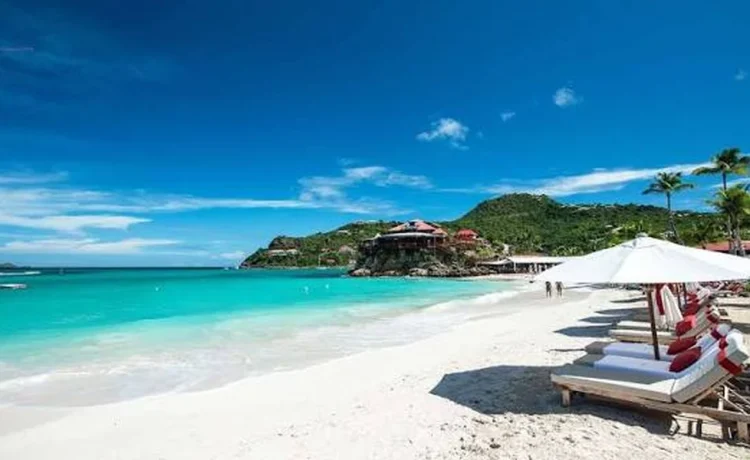

“The Caribbean” gets talked about like it’s a single kind of trip, but the region covers dozens of islands with wildly different personalities. Some are built around quiet luxury and adults-only resorts. Others are set up for large family resorts with kids’ clubs and shallow, calm water. Others still have the infrastructure, hostels, and social scene that solo travelers actually look for. Picking the right island for your specific trip matters more in the Caribbean than almost anywhere else, because the “wrong” island for your travel style can mean a genuinely mismatched vacation.
For Couples: St. Lucia
St. Lucia has built much of its tourism industry specifically around romance, and it shows. The island is home to an unusually high concentration of adults-only, all-inclusive resorts, many perched along the dramatic coastline near the Pitons – twin volcanic peaks that create some of the most photographed scenery in the Caribbean. Beyond resort life, St. Lucia offers genuinely couple-friendly excursions: sulfur spring spa visits, catamaran sunset sails, and rainforest zipline tours that work well as a shared activity rather than a solo adventure or a kid-focused outing.
For Couples: Turks and Caicos
Turks and Caicos leans into quiet luxury rather than nightlife, which makes it a strong fit for couples looking for relaxation over activity. Grace Bay Beach is consistently ranked among the best beaches in the world, and the island’s resort scene skews upscale and low-key, with fewer large-scale family resorts than islands like the Dominican Republic. It’s a good fit for couples who want beautiful scenery and quiet more than they want an itinerary full of excursions.
For Families: Aruba
Aruba’s appeal for families comes down to predictability: consistently sunny weather (it sits outside the main hurricane belt), calm, shallow water at beaches like Eagle Beach and Palm Beach, and a well-developed resort infrastructure with kids’ clubs and family-friendly dining built in. The island’s small size and good road infrastructure also make day trips manageable without the long transit times that can wear down family patience elsewhere. Its low-key nightlife scene compared to islands like Punta Cana also means less noise and disruption around family-friendly resort areas.
For Families: Puerto Rico
Puerto Rico offers something relatively rare in the Caribbean for families: enough variety within a single island that families don’t need to island-hop to keep everyone entertained. Old San Juan gives families an easy, walkable dose of history and culture, El Yunque National Forest offers accessible hiking and waterfalls, and the island’s beaches range from calm and swimmable to more adventurous surf spots for older kids and teens. Because Puerto Rico is a U.S. territory, it also simplifies travel logistics for American families, with no passport required and U.S. dollar currency throughout.
For Solo Travelers: Dominican Republic
The Dominican Republic has developed a genuinely social travel infrastructure that works well for solo travelers, particularly around areas like Las Terrenas and Cabarete, where hostels, surf schools, and communal-style guesthouses create natural opportunities to meet other travelers. Cabarete in particular has built its identity around kitesurfing and windsurfing culture, drawing a steady stream of solo adventure travelers and making it easy to fall into a social scene without much effort.
For Solo Travelers: Barbados
Barbados works well for solo travelers who want independence without isolation. English is the primary language, the island has reliable public transportation, and its size makes it genuinely feasible to explore solo without needing a rental car or guided tour for every outing. Barbados also has a strong surf and beach culture on its south and east coasts that tends to attract a steady stream of solo travelers, along with a rum tour and culinary scene that’s easy to explore alone without feeling out of place.
Matching the Island to the Trip
The biggest planning mistake in the Caribbean isn’t picking a “bad” island – nearly all of them are beautiful – it’s mismatching an island’s built-in strengths with what a trip actually needs. A solo traveler on a couples-focused, adults-only island resort circuit may find themselves isolated. A family on an island built around quiet luxury may find the lack of activities and kid-friendly infrastructure frustrating. Because these mismatches are common, itineraries built around stops at multiple islands – the kind found on many Caribbean cruises – have become an appealing option for travelers who aren’t sure which single island fits their group best, letting couples, families, and solo travelers each find at least one stop suited to exactly what they’re looking for.
For broader research into which islands suit which travel style, independent travel forums and destination guides covering the region offer useful firsthand accounts from travelers who’ve made the comparison themselves.
The Right Fit Matters More Than the Right Island
There’s no single “best” Caribbean island – there’s only the best island for a specific kind of trip. Understanding what each island is actually built around, rather than choosing based on name recognition alone, is what separates a Caribbean trip that feels tailor-made from one that just feels like a nice place that wasn’t quite right for the group.